
Gifting is something of an open secret in influencer marketing. Over the past few years, I’ve watched it rise rapidly within the strategies of the brands we work with at Midnight Agency. And honestly, when it’s done right, the results often exceed our expectations. In this article, I’ll take you behind the scenes of a successful gifting campaign — including the mistakes to avoid (we’ve seen a few) and the best practices that truly deliver.
What is gifting? Definition and core principles
In practice, gifting means sending your products to influencers or content creators free of charge. The key distinction? They have absolutely no obligation to post anything in return. This is precisely what sets it apart from a standard paid partnership. With the explosion of social media, this practice has become widespread and is now refining the influence strategies of the savviest brands. The equation involves three players: the brand looking to boost its visibility, the influencer discovering new products, and their community receiving genuine recommendations.
Gifting vs. product seeding: what’s the difference?
Both terms do refer to the same concept. “Product seeding” is the more formal term used in accounting and administrative filings, while “gifting” is the marketing term that encompasses the entire strategy behind the send. The subtle difference? Gifting goes beyond simply shipping a package. It incorporates a relational and strategic dimension: rather than sending products randomly, you’re building a genuine connection with creators.
Why implement a gifting strategy?
Gifting isn’t simply about “sending things out and hoping for the best.” There are four compelling reasons why this approach deserves your attention. And trust me, these benefits can genuinely transform your brand’s visibility and image.
Building a connection with your community
One of gifting’s greatest advantages is that it humanises your brand. When you offer a product with no strings attached, you create an emotional connection. The influencer feels valued, not used. This generosity fosters genuine appreciation and lays the groundwork for a lasting relationship. The result? Instead of producing just another sponsored post, you gain a true brand ambassador who talks about you because they genuinely want to.
Generating UGC and authentic content
UGC (User Generated Content) is content created spontaneously by users — and in marketing, it’s pure gold. Why? Because it’s perceived as authentic, far removed from the polished veneer of traditional advertising. When an influencer shares your product following a gifting, their audience knows they haven’t been paid to do so. That complete freedom makes the message far more credible and impactful than an openly commercial collaboration.
Building word-of-mouth and brand awareness
Gifting is the marketing equivalent of a snowball effect. A creator who shares your product reaches their already engaged and receptive community. This organic visibility amplifies your brand awareness at a lower cost. We’re talking about a genuine multiplier effect: a well-targeted send can generate thousands, or even tens of thousands, of qualified impressions. It’s hard to find a better cost-to-benefit ratio.
Expressing your brand values
The influencers you choose to send your products to says a great deal about your brand positioning. Eco-responsibility, inclusivity, creativity… Gifting allows you to embody your values by partnering with creators who share them. This authentic alignment strengthens your brand image in a far more subtle and effective way than any corporate statement ever could.
The benefits of gifting for brands
Beyond theory, let’s talk practicalities. What measurable benefits can you expect from a well-executed gifting campaign? Here are three advantages that truly make a difference to your marketing strategy.
A measurable and attractive ROI
Contrary to popular belief, gifting ROI is very easy to measure. Engagement rates, post reach, conversions via promo codes… there is no shortage of metrics. You can typically track impressions generated, clicks to your website, and the use of personalised promotional codes. And frankly, when a campaign is well targeted, the return on investment often surpasses that of far more expensive advertising channels.
A cost-effective alternative to traditional advertising
Let’s be honest: a gifting campaign essentially costs the price of your products, the packaging, and shipping. Compare that to the budget of a traditional advertising campaign, or even a sponsored post with a macro-influencer. The cost-to-visibility ratio is unbeatable. You reach highly qualified audiences for a fraction of the usual budget, with a message that lands far more effectively.
Reusable content across all your channels
Content created through gifting doesn’t have to live just once. With the creators’ permission (always ask first), you can repurpose these authentic visuals and videos on your website, social media channels, newsletters, and even your paid ads. It’s a genuine bank of high-quality content that enriches your communications over the long term.
How to build an effective gifting strategy
Now, let’s get into the heart of the matter. How do you turn a good idea into a strategy that truly delivers? Here are the five essential steps we consistently apply with our clients to maximise the impact of their campaigns.
Step 1: Define your marketing objectives
Before sending a single package, ask yourself: what are you trying to achieve? Brand awareness? Engagement? Sales? A product launch? Your objectives should be SMART (specific, measurable, achievable, realistic, time-bound). This clarity will guide every decision that follows: who to target, what to send, and how to measure results.
Step 2: Identify and target the right profiles (micro vs. macro-influencers)
Micro-influencers (fewer than 100K followers) or macro-influencers (over 100K)? Micro-influencers generally have higher engagement rates and a closer relationship with their community. Their authenticity hits home. Macro-influencers, on the other hand, offer massive reach, which is ideal for rapidly boosting brand awareness. Our advice? Analyse the creator’s audience and check for values alignment above all else. A large account that doesn’t reflect your brand will do you no good.
Step 3: Select the products to send
Prioritise your hero products or latest launches. Tailor your selection to the creator’s profile and interests: it shows you’ve done your homework. Be careful not to overload the package. Too many products dilutes the message and can even discourage content creation.
Step 4: Personalise the experience and the message
This is where the difference lies between a mass send and a gifting experience that truly leaves its mark. Add a handwritten note and explain exactly why you thought of this particular creator. The tone should remain authentic, not commercial. This personal touch transforms a simple package into a genuinely memorable experience.
Step 5: Follow up and measure results
Don’t stop at the send. Track publications, count impressions and engagement, and measure traffic generated along with conversions via promo codes or personalised links. This post-campaign analysis is essential for refining your future efforts and continuously optimising your strategy over time.
Best practices for a successful gifting campaign
The devil is in the details. Here are three best practices that truly make the difference between a campaign that goes unnoticed and one that everyone is talking about.
Perfecting the packaging and unboxing experience
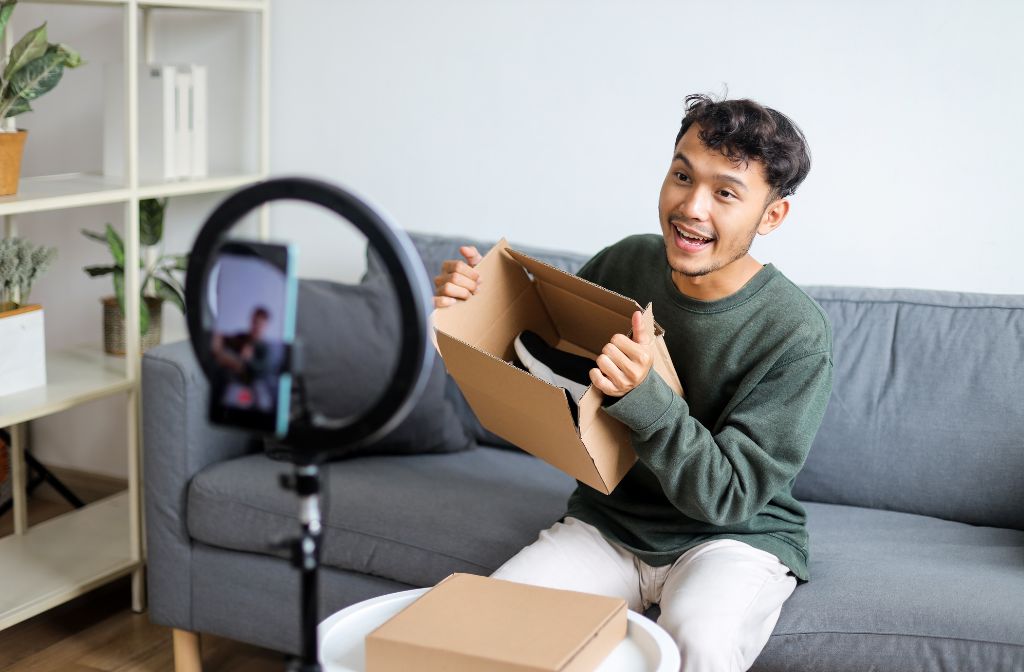
The unboxing moment is when the influencer discovers your product for the first time. And guess what? It’s often filmed or photographed. Carefully considered, aesthetically pleasing, Instagram-worthy packaging significantly increases your chances of being shared. Think tissue paper, subtle branded stickers, a personalised card… These details create a premium experience that people genuinely want to document.
Setting a clear brief without being too restrictive
Provide the essential information about the product and suggest a few possible content angles, but leave room for creativity. The more rigid the framework you impose, the less authentic the content will feel. The idea is to offer direction, not to control every word. Creative freedom is what makes gifting so powerful.
Prioritising authenticity over promotion
An important reminder: gifting is not a disguised advertisement. Encourage honest feedback, even if it is critical. That authenticity generates far more trust and engagement than a polished, formulaic message. Your future customers can tell the difference between a genuine recommendation and a forced sales pitch.
How much does a gifting campaign cost?
A fair question. The budget for a gifting campaign breaks down into several components: the cost of the products sent, packaging, shipping, and management time. Depending on the scale of your campaign, you could be looking at a few hundred euros for targeted tests, up to several thousand for a large-scale operation. Compared to a sponsored post with a mid-tier influencer (between €500 and €5,000) or a digital advertising campaign, gifting remains very affordable. The final budget naturally depends on the number of shipments and the range of your products.
The pitfalls and mistakes to avoid in gifting
Like any strategy, gifting has its traps. The classic mistakes? Imprecise targeting, mass sends with no personalisation, or unrealistic expectations around response rates. Keep in mind that there is no guarantee of publication, and measuring direct impact can be complex. Another pitfall: sending a product that has nothing to do with the creator’s world. It creates a poor impression and wastes the opportunity. Finally, be patient. The results of a gifting strategy are often measured over the medium term.
Examples of brands succeeding through gifting
Nothing illustrates what works better than real-life cases. Here are two emblematic examples of brands that have dramatically raised their profile through a smart gifting strategy.
Daniel Wellington and the conquest of Instagram
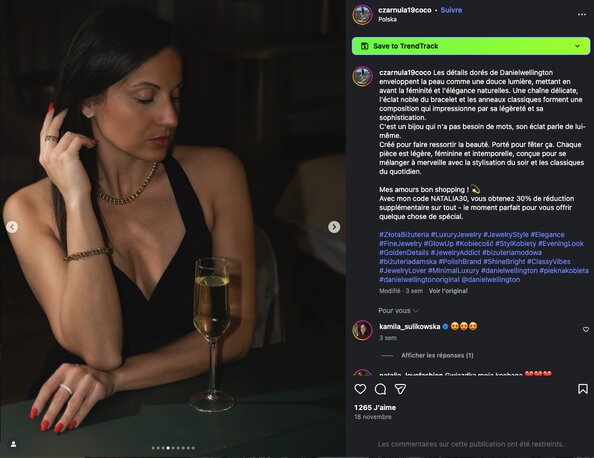
Daniel Wellington is the textbook case of large-scale gifting done right. The watch brand sent its timepieces to thousands of micro and macro-influencers, each accompanied by a personalised promo code. This simple yet devastatingly effective strategy generated explosive growth on Instagram and elevated the brand to the status of a global lifestyle icon. A success built almost exclusively on gifting and the authenticity of the content shared.
Cheerz and community engagement
Cheerz, the photo printing app, has taken a more targeted gifting approach. The brand regularly sends its products to carefully selected micro-influencers, building a community of engaged and loyal brand ambassadors. This strategy generates a steady stream of authentic content that fuels the brand’s digital presence. The engagement it creates far exceeds that of a standard advertising campaign.
Learn more about influencer earnings on TikTok: https://agencemidnight.fr/salaire-tiktok/