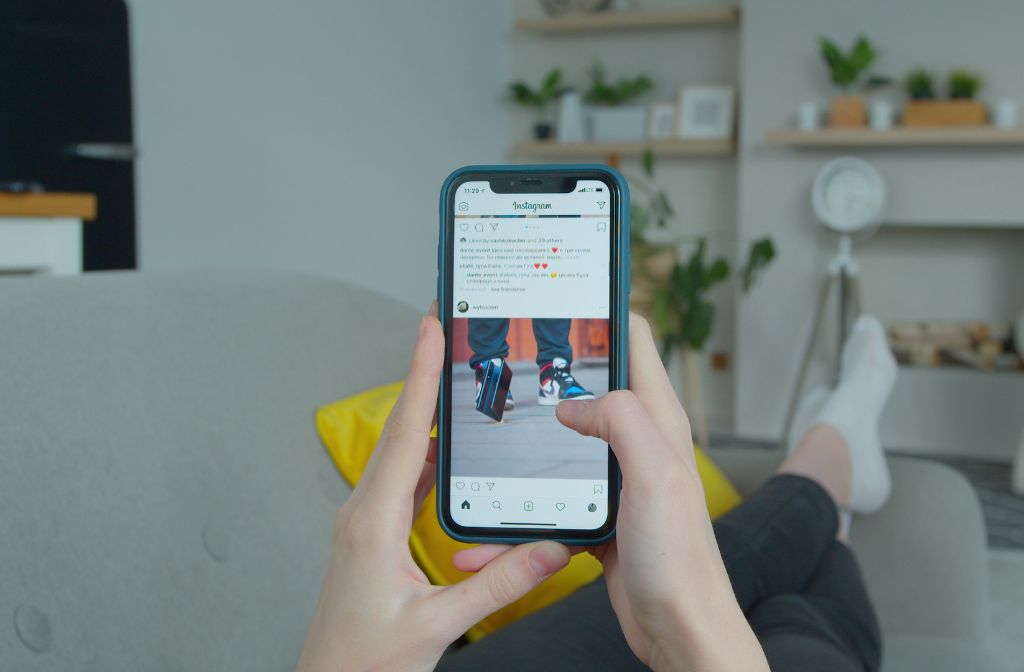
You’ve probably heard about Instagram crossposting. But between Instagram’s native features, collaborative posts, and third-party tools, it’s easy to get lost. Yet mastering crosspost can transform your social media strategy by multiplying your visibility without multiplying your workload. In this complete guide, I’ll explain everything you need to know to make smart use of this feature. Spoiler: you’re going to save a ton of time.
What is Instagram Crosspost?
Instagram crosspost is the ability to share your content simultaneously across multiple platforms or accounts, without having to republish it manually. In practice, you create a post on Instagram and it automatically appears on Facebook, or you share it directly with another account through a collaboration. Be careful not to confuse this with reposting (resharing another account’s content in your feed) or simply sharing to your story. Crosspost is native, simultaneous distribution. The good news? Instagram is mainly connected with Facebook (makes sense, they both belong to Meta), which makes linking the two platforms much easier. The benefits? Multiplied reach, huge time savings, and access to different audiences. We’ll dig into all of that in the following sections.fr-fr.facebook
Why Use Instagram Crosspost for Your Social Media Strategy?
If you’re not crossposting yet, you’re probably leaving visibility on the table. Here’s why this practice should be part of your digital strategy.
Saving Time Managing Your Social Networks
Let’s be honest: creating quality content takes time. A lot of time. Crosspost saves you from duplicating that creative work for each platform. Instead of creating a post for Instagram, then manually recreating it for Facebook, you publish once and distribute everywhere. This optimization is especially valuable for small teams or solo entrepreneurs already juggling a thousand roles. The result? You free up time for what really matters: strategy, creativity, and engaging with your community.
Multiplying Your Visibility and Organic Reach
It’s simple math: the more platforms you’re present on, the more people you reach. Crosspost lets you reach multiple audiences at once with a single creative effort. Imagine: your Instagram post reaches your community on that platform, and at the same time, it reaches your Facebook followers who might not follow you on Instagram. The multiplier effect is real. Based on our observations, brands that crosspost smartly see a 30 to 50% increase in their overall reach. Engagement generally follows the same curve, since you’re giving your content more opportunities to be seen, liked, and shared.
Strengthening Your Influencer Collaboration Strategy
Crosspost, and especially collaborative posts, makes influencer partnerships much easier. When you create a collab post, the content appears on both accounts simultaneously, with shared statistics. For a brand, it guarantees visibility with the influencer’s audience. For the creator, it guarantees quality content that enriches their feed. This transparency builds trust on both sides and makes collaboration smoother. Bonus: you get direct access to new, already-engaged communities, without having to win them over from scratch.
Collaborative Posts (Collab Post)
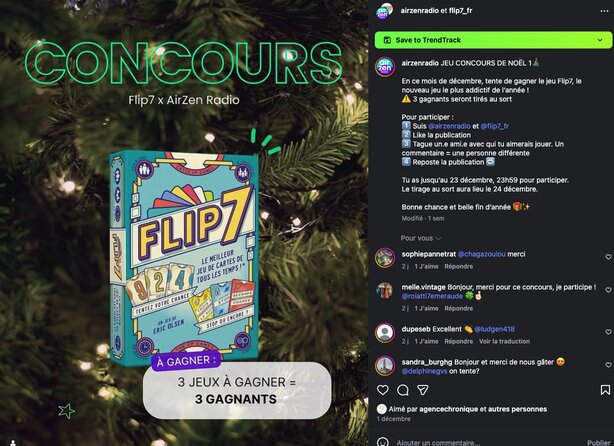
Ah, collab posts! This is THE feature that’s changed the game for Instagram partnerships. A collaborative post is content that appears simultaneously in the feed of two accounts (yours and your collaborator’s). The magic? Likes, comments, and stats are shared between both accounts. In practice, if your collaborator has 50K followers and you have 20K, your post could potentially reach the full 70K. This method is especially popular with brands and influencers, but also with creators who want to do creative collaborations. It’s a total win-win: maximum visibility for both parties, with only one piece of content created.
Sharing Stories Between Accounts
Story sharing works differently. When someone mentions you in their story (with the @mention sticker), you get a notification and can choose to reshare it to your own story. This isn’t an automatic crosspost, but rather a manual reshare that requires your approval. This feature is great for building community engagement: customers share their experiences with your product, you relay their content, and it creates a virtuous circle of visibility. Important: this option depends on the original user’s privacy settings. If their account is private or they’ve disabled sharing, you won’t be able to republish their story.
How to Crosspost from Instagram to Facebook: Step-by-Step Tutorial
Alright, let’s get practical. I’ll walk you through setting up your Instagram-Facebook crosspost strategy step by step. I promise it’s simpler than you think.
Linking Your Instagram and Facebook Accounts
The essential first step: connecting your two accounts. Here’s how:
Open the Instagram app and go to your profile
Tap the three horizontal lines (menu) in the top right corner
Select “Settings,” then “Linked accounts” or “Account”
Choose “Facebook” from the list of platforms
Log in to your Facebook account and select the page you want to linkfr-fr.facebook
A few prerequisites to check: you need a Facebook Page (not just a personal profile), and admin rights on that page. If linking fails, it’s often because you don’t have the right permissions or your Facebook session has expired. Pro tip: to confirm the connection is active, go back to “Linked accounts” and you should see your Facebook Page name displayed.

Activating Automatic Sharing
Now that your accounts are linked, it’s time to share. You have two options:
Option 1: One-time sharing. When you create a post, before tapping “Share,” you’ll see an “Also share on” section. Just check “Facebook” and your post will be automatically crossposted. This method lets you control it post by post.
Option 2: Automatic sharing. You can set Instagram to always share all your posts to Facebook. Go to Settings > Account > Sharing to other apps > Facebook, and turn on automatic sharing. Personally, I recommend option 1 to keep control over what you crosspost.
Note: stories and reels have their own automatic sharing settings, separate from regular posts. So you can choose to crosspost only your reels, for example, but not your stories.
Setting Your Crosspost Preferences
Crosspost is great, but customized is better. Here are the available settings:
Choose Facebook audience: before publishing, you can define who will see your post on Facebook (public, friends, custom audience). Handy if you want different targeting per platform.
Edit the caption: even though Instagram automatically carries over your caption, you can edit it to fit Facebook’s tone. Hashtags, for example, work differently on the two platforms.
Temporarily disable crosspost: turned on automatic sharing but want to keep a post Instagram-only? No problem, just uncheck the option before publishing.
These small adjustments make all the difference in optimizing your presence on each platform without losing authenticity.
How to Create a Collaborative Post on Instagram
Collab posts are kind of the next level of crosspost. Here’s how to use them like a pro.
Inviting a Collaborator to an Instagram Crosspost
Creating a collaborative post is simple:
Create your post normally (photo, video, reel, carousel)
Before publishing, tap “Tag people”
Select “Invite collaborator” (this option appears at the bottom)
Search for and select the account you want to collaborate with
Finalize your post
Important point: you can only invite one collaborator per post. The invitation must be accepted by the other account before the post appears on their profile. If the invitation is declined or ignored, the post stays only on your account.
Accepting or Declining a Collaboration Invitation
When someone invites you to collaborate on a post, here’s what happens: you receive a notification in your direct messages with a preview of the content. From there, you have two options:
Accept the invitation: the post appears instantly in your feed as if you’d published it yourself. You share the stats (likes, comments, views) with the original author. Your audience sees it, and it counts among your posts. It’s a strong commitment that says “I’m associating my image with this content.”
Decline the invitation: no consequence for you. The post stays on the original author’s account, but doesn’t appear on yours. Useful if the content doesn’t match your editorial line or you haven’t approved the final visual.
My advice? Always ask to see the content before it’s published to avoid unpleasant surprises.
Managing Collaborative Posts After Publication
Once the collab is published, you keep control:
Remove your participation: you can remove your account from a collaborative post at any time. The post stays on the other collaborator’s account, but disappears from your feed. Stats already generated remain shared, but you no longer count new interactions.
Access stats: both collaborators see the same numbers: impressions, interactions, reach. It’s transparent and fair. You can access stats via your post or Instagram Insights.
Edit content: note that you cannot edit the caption or visual after publishing, even as a collaborator. Only the original author keeps that control. Hence the importance of approving everything beforehand.
Instagram Crosspost: Differences Between Mention, Tag, and Collaboration
These three terms are often mixed up, so let’s clear this up once and for all:
Mention (@): you tag an account in your caption or story with @accountname. The mentioned account gets a notification and can choose to share your story. This doesn’t affect stats or automatic visibility.
Tag (photo tag): you tag a person or brand directly on your visual. The post appears in their “Photos of you” section. It creates a link to their profile, but the content stays only on your account. Stats remain yours.
Collaboration (collab post): the content appears on both profiles simultaneously, with full stat sharing. It’s a true 50/50 co-publication.
Summary Table
| Feature | Visibility | Statistics | Approval required |
|---|---|---|---|
| Mention | Original account only | Original account | No |
| Tag | Original account + “Photos of you” section | Original account | No (but can be declined) |
| Collaboration | Both accounts | Shared 50/50 | Yes (acceptance required) |
When to use what?
Mention: to thank, credit, or create one-off engagement
Tag: to associate someone with content without strong commitment
Collaboration: for an official partnership with shared visibility
Best Practices for a Successful Crosspost Strategy
Crossposting is good. Crossposting smartly is better. Here are my recommendations, tested across dozens of accounts.
Adapting Your Content to Each Platform
Even when crossposting, don’t fall into the pure copy-paste trap. Instagram and Facebook have different audiences and different norms. On Instagram, visuals are king, carousels do great, and hashtags matter. On Facebook, native videos perform better, captions can be longer, and hashtags are nearly useless.
My advice? Keep the same visual (that’s the point of crosspost), but adapt your caption. Rewrite your caption for Facebook by removing Instagram hashtags and adjusting tone if needed. Some brands even go as far as adapting their call-to-action: “Link in bio” on Instagram becomes “Link in comments” on Facebook. These small tweaks make a big difference in your engagement rates.
Determining the Optimal Crosspost Frequency
Here’s something important: don’t crosspost everything systematically. Really. If you share 100% of your Instagram content to Facebook, you create redundancy for people who follow you on both platforms. And they exist, trust me.
My rule of thumb: crosspost around 70% of your content. Prioritize high-potential posts: major announcements, educational content, partnerships, product launches. Keep some exclusive content for each platform to reward your followers and give them a reason to follow you everywhere. Highly contextual Instagram stories (polls, interactive questions) don’t always deserve a Facebook crosspost, where they perform less well.
Over-crossposting creates fatigue. Mix it up, test, and adjust based on your community’s feedback.
Analyzing Your Crosspost Performance
Crossposting without analysis is like driving with your eyes closed. You absolutely need to track your performance to understand what works.
On Instagram: go to Insights > Shared content, and filter by post type. Look at reach, engagement rate, and profile clicks.
On Facebook: Page Insights gives you access to the same metrics. Compare organic reach, reactions, shares, and clicks.
Key metrics to watch:
Engagement rate (likes + comments / reach)
Organic vs. paid reach
Clicks to your website or bio link
Follower growth after a crosspost
The goal? Identify content that performs better crossposted than when published on a single platform only. Adjust your strategy based on this data. If your reels do great when crossposted, double down. If your carousels only work on Instagram, keep them exclusive.
Mistakes to Avoid When Crossposting on Instagram
Here are the traps 90% of beginners (and even some experienced marketers) fall into. Avoid them and you’ll already be ahead of the pack.
Crossposting systematically without thinking — as mentioned, not all your content deserves to be crossposted. Very “Instagram-centric” posts (text-heavy carousels, content with 15 hashtags) don’t work on Facebook.
Neglecting caption and hashtag adaptation — a wall of hashtags works on Instagram. On Facebook, it looks amateurish and hurts your reach. Take 30 seconds to adapt your caption before crossposting.
Ignoring each platform’s audience specifics — your Instagram community may be younger, more engaged, more “early adopter.” On Facebook, you might have a more mature, family-oriented audience. The same message doesn’t resonate the same way depending on context.
Not checking the final rendering on the destination platform — visual cropping, video quality, link display… all of this can vary between Instagram and Facebook. Always check the final result before confirming.
Forgetting to engage with comments on all platforms — crossposted? Great. But now you need to manage comments on both Instagram AND Facebook. Don’t leave one community without replies just because you’re handling the other.
Using irrelevant Instagram hashtags on Facebook — hashtags on Facebook are basically useless. Putting 20 in your crossposted post just clutters your caption for nothing.
Not testing different formats and times — what performs at 6pm on Instagram might not work at the same time on Facebook. Test, analyze, adjust. That’s the basics.
Crosspost and Regulations: What You Need to Know
Crosspost is fun, but it doesn’t exempt you from following the rules. A quick legal reminder that could save you trouble.
Copyright: if you crosspost content containing music, images, or videos you didn’t create, you need usage rights. Instagram and Facebook have different agreements with rights holders. A sound licensed on Instagram isn’t necessarily licensed on Facebook, and vice versa.
Authorization for third-party content: want to crosspost a client’s, influencer’s, or user’s content? Always ask for written permission. A DM saying “yes” is enough, but keep a record. Collaborative posts partly solve this issue since both parties approve.
Commercial partnerships: if your crosspost involves a paid partnership, you must clearly disclose it with #ad, #sponsored, or #partnership on both platforms. It’s a legal obligation, not an option. Meta has also strengthened its transparency tools with the “Paid partnership” tab to activate when publishing.
Mandatory legal disclosures: depending on your sector (health, finance, cosmetics), certain legal disclosures must appear on your posts. Make sure they’re present on every platform where you crosspost.
GDPR: if you collect data through a crossposted giveaway, you must mention your privacy policy and get participants’ consent. This applies to both Instagram and Facebook.
My final advice: when in doubt, check Instagram’s and Facebook’s terms of use, or consult a professional. Better safe than sorry.
Best Tools to Automate Your Instagram Crossposts
If you’re looking to professionalize your social media management, here are the tools worth it.
Tool Comparison Table
| Tool | Price | Scheduling | Analytics | Team management | Ideal for |
|---|---|---|---|---|---|
| Meta Business Suite | Free | Basic | Native | Limited | Beginners, small budgets |
| Buffer | From €6/month | Advanced | Complete | Yes | Solopreneurs, SMEs |
| Hootsuite | From €99/month | Complete | Detailed | Advanced | Large teams, agencies |
| Later | From €18/month | Visual | Good | Medium | Lifestyle brands, creators |
| Swello | From €9.99/month | Complete | Complete | Yes | French SMEs, mid-size budgets |
Meta Business Suite: Meta’s free tool for managing Instagram and Facebook together. Limited in features compared to third-party tools, but free and directly connected to your accounts. Perfect for getting started or for small budgets.
Limits of native automation: Instagram deliberately limits certain features via its API to preserve platform authenticity. Third-party tools can’t automate everything (stories, in particular, often require manual action).
Which tool to choose? It depends on your needs. Tight budget and basic usage? Meta Business Suite. Need advanced features and team management? Hootsuite. Somewhere in between? Buffer or Swello will do the job perfectly.
FAQ: Your Questions About Instagram Crosspost
Can you crosspost to Instagram from Facebook?
No, crosspost only works from Instagram to Facebook, not the other way around. Facebook doesn’t allow native sharing to Instagram. You’d need to use a third-party tool or publish manually on Instagram.
Does crosspost affect the Instagram algorithm?
No, crossposting to Facebook has no impact on your Instagram visibility. The two algorithms are independent. However, your posts’ performance (engagement, views) can vary by platform, which influences your future visibility on each one.
Can you schedule a crosspost in advance?
Yes, with tools like Buffer, Hootsuite, or Later. These platforms let you schedule your Instagram posts with the Facebook crosspost option enabled. Meta Business Suite also offers this feature for free.
Do hashtags work in an Instagram-Facebook crosspost?
Technically yes, they appear. But in practice, hashtags are much less effective on Facebook than on Instagram. They don’t boost your reach. That’s why I recommend adapting your caption during crosspost to remove hashtags on Facebook.
Can you crosspost Reels?
Absolutely! Reels can be crossposted to Facebook, where they appear as videos in the feed and Facebook’s Reels section. It’s actually one of the best-performing formats for crossposting.
How do you cancel an already-published crosspost?
Once published, you can’t “cancel” a crosspost. You have to manually delete the post on the platform where you no longer want it to appear. If you delete the Instagram post, it stays on Facebook, and vice versa.
Does crosspost work with a personal Instagram account?
Yes, but you need to convert it to a professional account (creator or business) to access the crosspost-to-Facebook option. It’s free and gives you access to stats as a bonus.
Can you crosspost to multiple Facebook Pages?
No, you can only link your Instagram account to one Facebook Page at a time. To crosspost to multiple pages, you’d need to use a third-party tool like Hootsuite or Buffer that lets you manage multiple destinations simultaneously